Losing a car key can turn an ordinary day into a stressful experience, especially when you need your vehicle for work, family responsibilities, or travel. For Toyota owners, replacing a missing key is not simply a matter of cutting a new piece of metal. Modern vehicles can use transponder chips, remote controls, and smart-entry systems that need to communicate correctly with the vehicle. Understanding the replacement process can help you choose the right solution, avoid unnecessary delays, and get back on the road with confidence.
Understanding Your Toyota Key
The first step in replacing a lost key is identifying the type of key your vehicle uses. Older Toyota models may have a traditional metal key that operates the door locks and ignition mechanically. Newer vehicles can use keys containing electronic transponder chips, remote-control buttons, or proximity technology.
A Toyota key may therefore look different depending on the vehicle’s model, year, and trim level. Some keys are designed primarily for ignition and door access, while others combine several functions into one compact device. Knowing which type you need is important because the replacement procedure and programming requirements can vary.
Your vehicle’s model year is particularly useful when discussing replacement options. Having the model, year, and vehicle identification information available can help a professional determine which key technology is compatible with your car.
What to Do Immediately After Losing Your Key
If you cannot find your car key, start by checking whether it may have been misplaced rather than permanently lost. Look through bags, pockets, drawers, vehicles, workplaces, and other locations you visited recently. If you have a spare key, keep it somewhere secure and use it temporarily while arranging a replacement.
If the key was lost away from home, consider whether someone could potentially find it and identify your vehicle. If your key includes a remote or smart-entry function, security should be taken seriously. A professional can explain available options for replacing or reprogramming the necessary components.
Avoid attempting random programming procedures from the internet. Some modern Toyota systems require specific equipment and procedures, and an incorrect process can waste time or create additional complications.
Check Whether You Have a Spare
A spare key can make the replacement process considerably easier. If you still have one working key, a locksmith or automotive professional may be able to use it as part of the replacement process, depending on the vehicle’s system.
Even if you have a spare, replacing the missing key is worth considering. Having only one working key leaves you vulnerable if that key is lost or damaged later. Creating a second working key gives you an important backup and can make future emergencies less stressful.
Keep your spare somewhere safe but accessible. Avoid storing both keys together because losing the pair could leave you without an immediate way to access your vehicle.
Traditional Keys Versus Electronic Keys
Traditional keys are generally straightforward because they rely primarily on their physical shape. A replacement must be cut accurately so it can operate the vehicle’s locks and ignition.
Electronic keys are more complicated. A transponder key contains an electronic component that communicates with the vehicle’s immobilizer system. Simply cutting the correct metal pattern may not be enough to start the car.
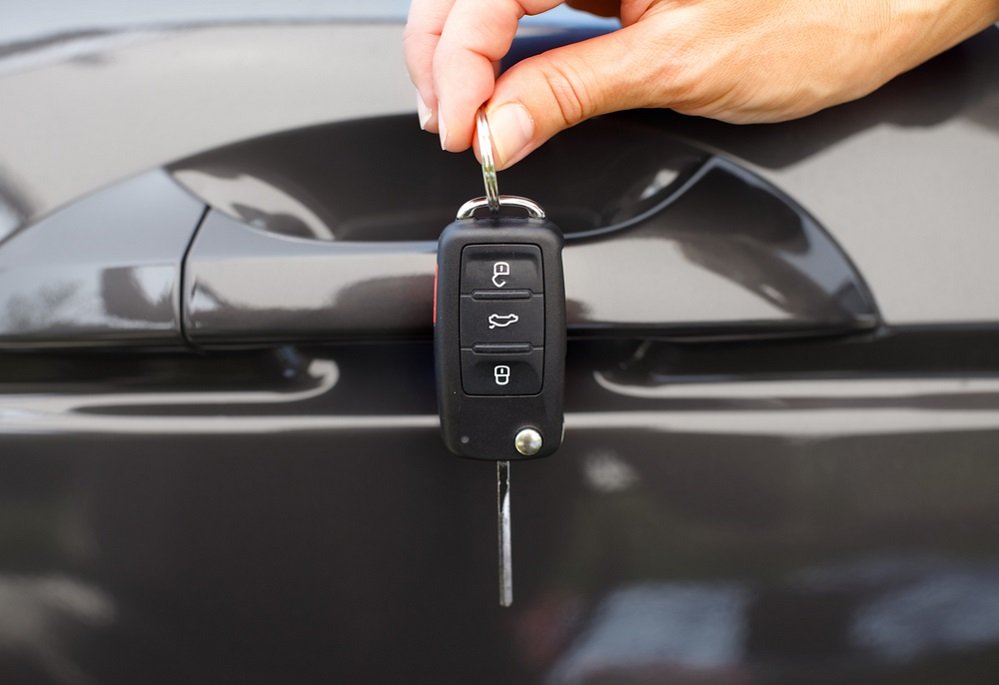
Remote keys add another layer because their buttons can control functions such as locking and unlocking the doors. Smart keys may allow the driver to unlock and start the vehicle without physically inserting the key into an ignition.
Because of these differences, it is important to identify the complete key system rather than ordering a replacement based only on appearance.
Why Key Programming Matters
Many modern Toyota vehicles use electronic security technology designed to prevent unauthorized starting. A replacement key may need to be programmed so that the vehicle recognizes its electronic identification.
This is one of the main reasons professional assistance can be valuable. An automotive locksmith with appropriate equipment can assess the vehicle and determine what type of programming is required.
Programming requirements can differ considerably between Toyota models and production years. Therefore, providing accurate vehicle information before purchasing a replacement can help prevent ordering the wrong component.
Choosing a Replacement Service
When looking for a replacement Toyota key, consider the experience and equipment of the service provider. Automotive locksmiths can be useful when you need assistance outside normal dealership hours or when you want an alternative to visiting a dealership.
A dealership may also provide replacement keys and programming services. The best option depends on your circumstances, including your vehicle, location, urgency, and available documentation.
Before agreeing to the service, ask what the quoted price includes. Some services may charge separately for the physical key, electronic components, cutting, programming, and emergency call-out. Understanding the complete cost beforehand can help you avoid unexpected charges.
Keep Your Vehicle Information Ready
Having the right information available can make the replacement process smoother. You may be asked for the vehicle’s make, model, year, and identification details. Proof of ownership or identification may also be required by a legitimate service provider.
If you have an existing key, bring it with you when possible. Even a damaged or partially functioning key may provide useful information about the correct replacement.
It is also helpful to know whether your Toyota uses a conventional ignition, push-button start, remote key, or smart-entry system. These details help a professional determine the appropriate replacement approach.
What About a Damaged Key?
Not every key problem requires complete replacement. A key may stop working because of physical damage, worn buttons, a damaged housing, or an electronic issue. In some situations, only part of the key assembly may need attention.
If the physical blade is worn or bent, continued use could eventually make it difficult to operate the lock or ignition. Likewise, damaged remote buttons can make everyday use inconvenient.
Have the key inspected before purchasing a completely new system. A professional may be able to determine whether repair, replacement of a component, cutting, or programming is the most practical solution.
Avoiding Common Replacement Mistakes
One common mistake is purchasing an inexpensive replacement online without confirming compatibility. Two keys that look almost identical may not use the same electronic system.
Another mistake is assuming that cutting the key is the entire process. For vehicles equipped with immobilizer technology, electronic programming may also be necessary.
It is also wise to avoid delaying the replacement after losing your only working key. If the remaining key becomes damaged or disappears, obtaining a replacement can become more complicated.
Planning for the Future
Once you have successfully replaced your Toyota key, consider creating an additional spare. A backup can be particularly valuable before long road trips, vacations, or periods when you depend heavily on your vehicle.
Store your spare in a secure location and consider keeping information about your vehicle readily available. You can also protect your primary key from excessive moisture, impact, heat, and unnecessary wear.
A little preparation can prevent a minor inconvenience from becoming a major disruption.
Final Thoughts
Replacing a lost Toyota key becomes much easier when you understand what your vehicle actually requires. The correct solution depends on the Toyota model, production year, key type, and whether electronic programming is involved. Identifying these details before ordering a replacement can save time and reduce the chance of receiving an incompatible key.
Whether you use an automotive locksmith or dealership, choose a qualified provider, confirm what the service includes, and be prepared to provide appropriate vehicle and ownership information. Most importantly, consider keeping a spare once your replacement is complete. With the right preparation, losing a Toyota key does not have to keep you off the road for long.