Introduction
Technology continues to transform the modern workplace, helping businesses improve productivity, simplify daily operations, and create more convenient working environments. From remote collaboration tools to artificial intelligence, digital innovation has changed how employees communicate, organize tasks, and manage their time. Among these developments, wearable technology has emerged as a practical solution for professionals who want to stay connected, monitor personal activity, and access useful information without constantly checking their computers or smartphones.
Wearable technology includes smartwatches, fitness trackers, smart rings, augmented reality glasses, and other electronic devices designed to be worn on the body. These devices can support different workplace activities, including communication, health awareness, scheduling, and hands-free access to information. As businesses continue to explore smarter working methods, wearable devices are becoming an interesting part of workplace technology strategies.
For employees, wearables can offer convenience by providing notifications, reminders, and selected health-related measurements in an accessible format. Employers may also find opportunities to improve workplace safety, support employee well-being, and streamline specific tasks. However, successful adoption requires thoughtful planning, appropriate privacy protections, and a clear understanding of what these devices can realistically accomplish.
Understanding Wearable Technology in the Modern Workplace
Wearable technology refers to electronic devices designed to be worn throughout the day while collecting, displaying, or processing information. Depending on the device, features may include heart rate monitoring, activity tracking, notification alerts, voice controls, navigation, and communication tools.
Unlike traditional workplace equipment, wearables provide information through compact devices that remain accessible during everyday activities. An employee can receive a meeting reminder on a smartwatch, check selected activity information through a fitness tracker, or use smart glasses to view instructions while working with equipment.
Common Types of Workplace Wearables
Several categories of wearable technology can contribute to workplace productivity.
Smartwatches: These devices provide notifications, calendar reminders, timers, calls, and selected health and activity measurements. They can help employees manage schedules without repeatedly reaching for their phones.
Fitness trackers: Fitness bands monitor movement and activity patterns. Some models also offer heart rate measurements and sleep-related estimates, helping users understand aspects of their daily routines.
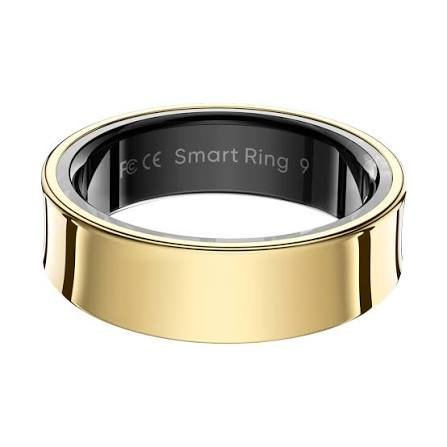
Smart rings: Smart rings offer a compact alternative to larger wearable devices. Depending on the model, they may track heart rate, sleep patterns, activity, and other wellness indicators. Their small design can appeal to professionals who prefer minimal accessories.
Smart glasses: Certain smart glasses provide navigation, visual instructions, or hands-free access to digital information. They may be particularly useful in technical support, manufacturing, logistics, and field service.
Industrial wearables: Specialized devices can support worker safety, equipment monitoring, location awareness, and communication in environments where employees need both hands available for practical tasks.
Each category serves different purposes, so organizations should evaluate devices according to employee responsibilities rather than assuming one wearable will suit every workplace.
How Wearable Technology Improves Productivity
Productivity depends on many factors, including concentration, communication, task organization, and access to relevant information. Wearable technology can support these areas when used appropriately.
Faster Access to Important Notifications
Employees often receive numerous messages, emails, and meeting invitations throughout the working day. Checking a smartphone or computer for every notification can interrupt ongoing tasks and make it difficult to maintain concentration.
A smartwatch can display selected notifications, allowing employees to identify urgent messages without opening multiple applications. Calendar alerts can also remind workers about upcoming meetings, deadlines, and appointments.
For example, a project manager moving between departments may use brief wrist notifications to remain aware of schedule changes. They can then respond when appropriate instead of repeatedly checking their phone.
The key is to configure notifications carefully. Too many alerts can create additional distractions, so wearable technology works best when it prioritizes genuinely important information.
Better Time Management and Scheduling
Managing time effectively is essential in busy workplaces. Wearable devices can provide reminders, timers, and calendar information that help employees organize their activities.
Professionals who attend several meetings each day may benefit from discreet reminders before appointments. Employees completing time-sensitive tasks can use timers to manage work sessions and maintain a more organized routine.
These features can also support people who move frequently between locations. Instead of opening a calendar application repeatedly, they can access essential scheduling information directly from a compatible wearable.
However, wearables should complement established planning systems rather than replace them. Teams still need clear deadlines, realistic workloads, and effective project management processes.
Supporting Focus and Reducing Unnecessary Interruptions
Constantly switching between applications can affect concentration. Wearable technology may reduce some interruptions by providing brief information at a glance.
For instance, an employee can check whether a notification requires immediate attention without opening a messaging application and becoming distracted by unrelated conversations.
Some devices also offer focus modes, reminders to take breaks, and activity summaries. These functions can encourage employees to create more balanced work routines.
Nevertheless, wearables can become distractions if notifications remain active throughout the day. Employees should be encouraged to use quiet modes during meetings, focused work sessions, and other situations requiring sustained attention.
The Role of Smart Rings in Workplace Convenience
Smart rings are attracting interest because they combine a small physical design with digital tracking features. Unlike smartwatches, which have visible displays, many smart rings operate primarily through sensors and a connected smartphone application.
This design can make them convenient for professionals who prefer lightweight accessories or do not want another screen competing for their attention.
Health and Activity Insights in a Compact Design
Depending on the model, smart rings can collect information related to heart rate, movement, sleep, and general activity. Users can review available measurements through a companion application and identify patterns over time.
For example, someone working long hours at a desk may use activity information as a reminder to move periodically. Another employee might review sleep-related estimates to understand whether changes in their daily routine coincide with different sleep patterns.
These measurements should be interpreted carefully. Consumer wearables are not substitutes for medical examinations, and their readings can vary according to device design, fit, sensor quality, and other factors.
Exploring Affordable Smart Ring Options
Budget-friendly devices have made wearable technology more accessible to people who want basic tracking features without purchasing a premium smartwatch. When evaluating an affordable option, buyers should consider sensor capabilities, smartphone compatibility, battery life, comfort, charging requirements, and the availability of the companion application.
People researching a budget smart ring with heart rate tracking may encounter the COLMI R09, a smart ring designed for compact everyday wear and selected health and activity tracking functions.
Those interested in the product can search for buy colmi r09 to explore available sellers, current pricing, specifications, and compatibility information. Before purchasing, it is sensible to confirm which features are supported by the specific version being sold, whether the application works with the user’s phone, and whether any subscription or additional costs apply.
For workplace use, the most useful wearable is not necessarily the one with the greatest number of features. A comfortable, reliable device that provides information the wearer actually uses may offer more practical value than a complicated product with unnecessary functions.
Encouraging Healthier Workday Habits
Smart rings and other fitness wearables can help employees become more aware of their activity patterns. Desk-based professionals, for example, may spend extended periods sitting while completing reports, attending online meetings, or responding to emails.
Activity reminders can encourage short movement breaks, while optional wellness summaries may help users reflect on their routines.
These features should remain personal tools rather than methods for evaluating employee performance. Health-related information is sensitive, and employees should retain control over whether they share it with anyone else.
Wearable Technology in Different Industries
The usefulness of wearable technology varies according to the working environment. Some industries benefit mainly from convenient notifications, while others rely on specialized devices for operational support.
Healthcare and Medical Services
Healthcare professionals often manage complex schedules and need timely access to information. Compatible wearables can provide appointment reminders, communication alerts, and selected monitoring capabilities.
In clinical environments, specialized devices may also support patient monitoring or help staff coordinate activities. Any medical application must meet appropriate safety, accuracy, privacy, and regulatory requirements.
Wearables should support established clinical procedures rather than replace professional judgment or approved medical equipment.
Manufacturing and Industrial Operations
Manufacturing environments often require employees to work with tools, machinery, and technical instructions. Smart glasses and specialized wearable devices can display assembly guidance, equipment information, or task instructions while keeping workers’ hands available.
Wearable sensors may also support approved safety programs by identifying certain environmental conditions or alerting workers to specific hazards.
However, these systems require proper testing, training, and maintenance. Organizations must ensure that devices do not interfere with protective equipment or create additional risks.
Retail and Customer Service
Retail employees regularly assist customers, check inventory, and coordinate with colleagues. Wearable devices can help staff receive messages, access task reminders, and manage selected operational activities.
For example, a worker in a large store might receive a discreet notification about a stock request or a colleague needing assistance.
This can reduce unnecessary trips between departments and help employees respond more efficiently to customer needs.
Remote and Hybrid Workplaces
Remote and hybrid teams depend on digital communication and effective scheduling. Smartwatches can provide reminders about online meetings, while wearable wellness features may help individuals maintain healthier routines when working from home.
Nevertheless, wearables cannot replace good communication practices, clear responsibilities, or appropriate collaboration software. Their value comes from supporting an existing workflow rather than creating another layer of digital complexity.
Improving Employee Well-Being Through Wearables
Employee well-being has become an important consideration for organizations seeking sustainable productivity. Workloads, prolonged sitting, irregular schedules, and limited breaks can affect how people feel throughout the working day.
Wearable technology may help employees notice personal activity patterns and develop routines that support their general well-being.
Activity Reminders and Movement Breaks
Some wearables provide reminders when users have remained inactive for extended periods. These prompts can encourage short walks, stretching, or brief breaks between tasks.
Even simple reminders can help people become more intentional about movement during desk-based work. Employees should choose routines that suit their responsibilities and individual needs.
Awareness of Sleep and Daily Routines
Certain smart rings and fitness trackers provide sleep estimates and summaries of overnight measurements. Users may review these trends to understand how their routines relate to their perceived rest and daytime energy.
Such information should not be treated as a definitive assessment of sleep quality or overall health. If someone has persistent concerns about sleep or well-being, speaking with a qualified healthcare professional is more appropriate than relying exclusively on a consumer device.
Supporting Sustainable Work Habits
Wearables can encourage users to take breaks, manage reminders, and pay attention to their routines. However, organizations should not expect employees to remain constantly available simply because they wear connected devices.
Healthy productivity requires reasonable workloads, adequate rest, supportive management, and boundaries between professional and personal time.
Challenges and Limitations of Workplace Wearables
Although wearable technology offers potential benefits, its adoption introduces practical and ethical challenges.
Privacy and Data Protection
Many wearables collect personal information, including activity patterns, heart rate measurements, and sleep-related estimates. Some workplace devices may also process location or operational data.
Employers should establish clear policies explaining what information is collected, why it is needed, who can access it, and how long it will be retained.
Health data should not be collected merely because a device makes collection possible. Organizations should avoid unnecessary monitoring and ensure that employees understand their rights and available choices.
Compatibility and Technical Reliability
Not every wearable works with every smartphone, application, or business platform. Before purchasing devices for workplace use, organizations should check operating system requirements, connectivity, software support, battery performance, and integration options.
Devices may also produce inaccurate readings or experience connectivity problems. Important business decisions should not depend entirely on information from consumer wearables.
Cost and Maintenance
Affordable devices can reduce the initial cost of adoption, but organizations should consider the full cost of ownership. Expenses may include replacements, charging accessories, software, employee training, security measures, and ongoing technical support.
A small pilot program can help determine whether a proposed wearable provides sufficient practical value before a company invests in a larger deployment.
Employee Acceptance
Some employees may welcome wearable technology, while others may find it uncomfortable, distracting, or intrusive. Organizations should explain the purpose of any workplace device and involve employees in decisions that affect their daily activities.
Participation in personal wellness tracking should generally remain voluntary, with appropriate protections for sensitive information.
Best Practices for Introducing Wearable Technology at Work
Successful implementation begins with a clear objective. Businesses should identify the specific problem they want to solve before selecting devices.
Identify Practical Workplace Needs
Companies should determine whether they need faster notifications, hands-free instructions, improved task coordination, or optional wellness support. This prevents unnecessary purchases and helps teams choose suitable technology.
Test Devices Before Wider Adoption
A limited trial can reveal whether devices are comfortable, reliable, compatible, and useful during real working conditions. Feedback from employees can guide decisions about features, training, and potential improvements.
Establish Clear Policies
Organizations should document acceptable use, information collection, privacy safeguards, security expectations, and employee responsibilities. These policies should distinguish between personal wellness information and legitimate operational data.
Measure Meaningful Outcomes
Businesses can evaluate whether wearables improve specific processes, reduce avoidable interruptions, or make selected tasks easier. Measurements should focus on genuine operational benefits rather than invasive tracking of individual employees.
Provide Training and Ongoing Support
Employees need clear instructions on device setup, notification management, security, troubleshooting, and privacy settings. Regular reviews can help organizations address technical issues and ensure that the technology continues to meet workplace needs.
The Future of Wearable Technology in the Workplace
Wearable technology is likely to become increasingly connected with artificial intelligence, workplace software, and digital assistance tools. Future developments may make it easier to receive contextual reminders, access relevant instructions, and coordinate tasks across different systems.
Smart rings may continue to appeal to people who prefer discreet devices, while smart glasses and industrial wearables may expand their role in hands-free professional activities.
Improved sensors and software could also provide more useful personal activity summaries. However, greater data collection makes strong privacy safeguards and responsible product design even more important.
The future of workplace wearables will depend not only on technological innovation but also on whether devices provide measurable benefits without creating unnecessary distractions or compromising employee trust.
Conclusion
Wearable technology offers practical ways to improve convenience, support task management, and encourage more thoughtful daily routines. Smartwatches can simplify notifications and scheduling, industrial wearables can assist with specialized tasks, and smart rings can provide compact access to selected health and activity information.
Affordable options such as the COLMI R09 may interest consumers looking for a budget smart ring with heart rate tracking, provided they verify the product’s current specifications, compatibility, and limitations before purchasing.
For businesses, the most effective approach is to select wearables according to genuine workplace needs, protect personal information, and involve employees in implementation decisions. Wearable devices should complement existing tools and professional judgment rather than replace them.
When adopted responsibly, wearable technology can make everyday work more convenient, support healthier routines, and contribute to a more connected and productive working environment.