
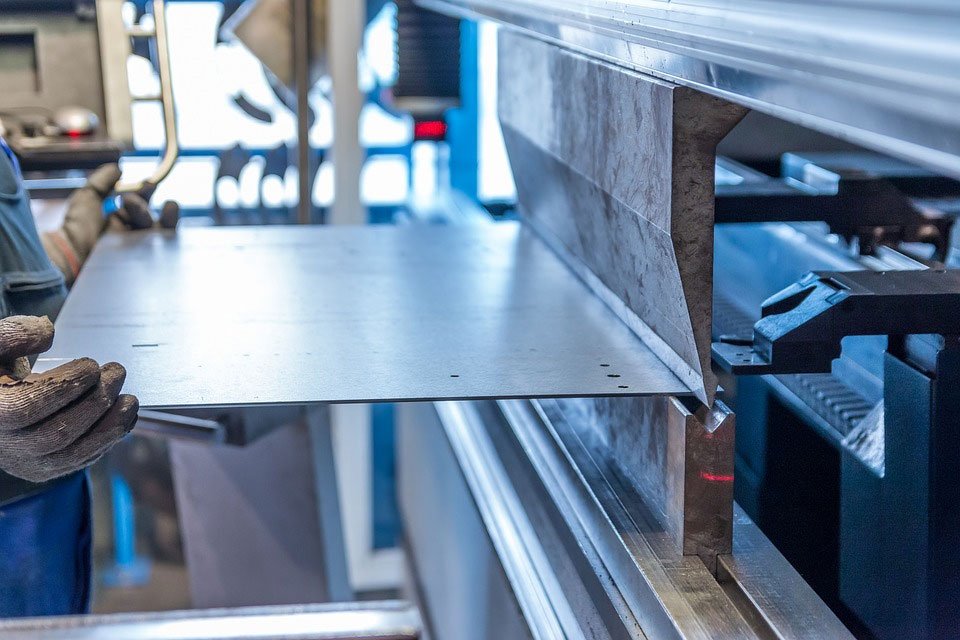
Modern manufacturing requires precision, efficiency, durability, and the ability to adapt to changing production demands. From industrial machinery and automotive components to electronic enclosures and construction materials, manufacturers depend on high-quality metal parts to create reliable products. Sheet metal fabrication plays an important role in meeting these requirements by transforming flat metal sheets into functional components through specialized manufacturing processes. Professional sheet metal fabrication services help businesses improve production quality, reduce manufacturing challenges, and develop products that meet industry standards.
As technology continues to advance, manufacturers need dependable fabrication solutions that support innovation while maintaining consistent production performance. Understanding how these services contribute to modern manufacturing projects can help businesses make better decisions about their production processes.
Understanding Sheet Metal Fabrication in Modern Manufacturing
Sheet metal fabrication is the process of converting flat sheets of metal into specific shapes, structures, and components. It involves several techniques, including cutting, bending, punching, welding, forming, and finishing. Depending on project requirements, manufacturers may work with materials such as stainless steel, aluminum, carbon steel, copper, and other specialized metals.
These processes allow businesses to produce components with different dimensions, thicknesses, and structural properties. Whether a project requires a small precision part or a large industrial enclosure, fabrication techniques can be customized to achieve the desired results.
Modern manufacturing companies use fabrication solutions across various industries because they provide flexibility, accuracy, and practical production options.
Improving Precision and Product Quality
Precision is one of the most important requirements in manufacturing. Even minor measurement errors can affect how components fit together, potentially creating assembly problems, material waste, or product failures.
Professional sheet metal fabrication services use advanced equipment and controlled manufacturing processes to maintain accurate dimensions. Computer numerical control (CNC) machines, laser cutters, and automated bending systems help manufacturers achieve consistent results.
Advanced Cutting Technology
Laser cutting, waterjet cutting, and plasma cutting allow manufacturers to create accurate shapes from metal sheets. These technologies reduce manual errors and help produce intricate designs that may be difficult to achieve through traditional methods.
Consistent Component Dimensions
Accurate bending and forming processes ensure that fabricated parts maintain their required measurements. Consistency becomes particularly important when manufacturing large quantities of identical components.
Better precision improves product reliability and makes final assembly more efficient.
Supporting Faster Production and Manufacturing Efficiency
Time is an important factor in modern manufacturing projects. Delays in component production can affect assembly schedules, inventory management, and delivery commitments.
Efficient fabrication processes help manufacturers complete projects within planned production timelines. Automated machinery can perform repetitive operations faster than many traditional manual methods while maintaining consistent quality.
For example, CNC punching machines can produce multiple holes and patterns with excellent repeatability. Automated laser cutting systems can process complex designs with minimal manual intervention.
By improving production speed, fabrication services help manufacturers manage demanding schedules and respond to customer requirements more effectively.
Offering Customization for Different Manufacturing Requirements
Every manufacturing project has specific technical and design requirements. Standard components may not always provide the dimensions, shapes, or performance characteristics needed for specialized applications.
Customization is therefore an important advantage of professional fabrication.
Manufacturers can request components based on their drawings, prototypes, material preferences, and functional specifications. Fabrication specialists can adjust cutting patterns, bending angles, thicknesses, and finishing options to meet individual project needs.
Custom Industrial Components
Industrial equipment often requires specialized brackets, frames, covers, panels, and mounting structures. Custom fabrication makes it possible to produce these parts according to equipment specifications.
Product Development and Prototyping
Fabrication also supports product development by allowing engineers to create sample components before starting full-scale production. These prototypes can be tested for dimensions, strength, functionality, and compatibility.
This flexibility helps businesses refine their designs and avoid unnecessary manufacturing expenses.
Reducing Material Waste and Production Costs
Managing production costs is essential for maintaining competitiveness. Material waste, inaccurate cutting, repeated operations, and production mistakes can increase the overall cost of manufacturing projects.
Modern fabrication equipment helps businesses use raw materials more efficiently. Computer-assisted design and cutting software can optimize sheet layouts, allowing manufacturers to arrange multiple components on a single metal sheet.
This process, commonly known as nesting, reduces unused material and improves resource utilization.
Accurate fabrication also minimizes the need for rework. When components are produced according to specifications, manufacturers can reduce errors during assembly and limit unnecessary material consumption.
Although advanced fabrication equipment may require significant investment, its long-term efficiency can provide valuable financial benefits.
Supporting Multiple Manufacturing Industries
Sheet metal components are essential in many industries because they offer strength, versatility, and adaptable design possibilities. Different sectors rely on fabrication to manufacture parts that support their operational requirements.
Automotive Manufacturing
Automotive manufacturers use fabricated metal components for vehicle frames, brackets, body panels, protective covers, and structural assemblies. Accurate fabrication helps ensure that components fit correctly and meet performance requirements.
Electronics and Electrical Equipment
Electronic products often require metal enclosures, control panels, cabinets, and protective housings. These components protect sensitive equipment from physical damage and environmental conditions.
Construction and Infrastructure
The construction industry uses fabricated metal sheets for roofing systems, structural supports, ventilation components, wall panels, and architectural features.
Industrial Machinery
Manufacturing equipment requires durable metal guards, machine covers, support frames, and specialized mechanical components. Fabrication provides the flexibility to create parts according to specific machine designs.
These applications demonstrate how fabrication supports production requirements across different sectors.
Enhancing Durability and Product Performance
Manufactured components must withstand their intended working conditions. Factors such as temperature, pressure, moisture, vibration, and mechanical stress can influence product performance.
Selecting suitable materials and fabrication techniques helps improve component durability.
For example, stainless steel is frequently selected for applications requiring corrosion resistance, while aluminum offers a lightweight alternative for products where reducing overall weight is important. Carbon steel may be appropriate for applications requiring strength and structural support.
Surface treatments also contribute to product protection. Powder coating, painting, polishing, and other finishing methods can improve appearance while helping protect metal surfaces against environmental exposure.
Professional fabrication providers consider material characteristics and finishing requirements to produce components suitable for their intended applications.
Integrating Advanced Technology Into Manufacturing Projects
Technology has transformed the way modern manufacturing companies design and produce metal components. Computer-aided design (CAD) software allows engineers to develop detailed digital models before fabrication begins.
These designs can be transferred to computer-controlled machinery, improving communication between design and production teams.
Computer-aided manufacturing (CAM) systems also help convert digital designs into machine instructions. This reduces manual programming requirements and supports repeatable production processes.
Automation, digital design tools, and modern inspection equipment make fabrication more efficient and predictable.
As manufacturing facilities continue adopting smart production technologies, sheet metal fabrication remains an important part of modern industrial development.
Improving Collaboration Between Manufacturers and Fabrication Providers
Successful manufacturing projects depend on effective communication between designers, engineers, suppliers, and production teams.
Experienced fabrication providers can contribute valuable technical knowledge during the planning stage. They may recommend alternative materials, suggest design adjustments, or identify potential manufacturing difficulties before production starts.
This early collaboration can help businesses avoid expensive design changes and production delays.
When selecting a fabrication partner, manufacturers should consider several important factors:
- Experience with similar manufacturing projects.
- Availability of modern cutting and forming equipment.
- Material selection and customization capabilities.
- Quality control and inspection procedures.
- Production capacity and delivery timelines.
- Clear communication and technical support.
Choosing a reliable provider helps establish a stronger production process and improves project coordination.
Maintaining Quality Control and Industry Standards
Quality control is essential for ensuring that fabricated components meet technical specifications. Manufacturers need parts that maintain consistent dimensions, structural integrity, and surface quality.
Professional fabrication facilities may use inspection tools, measurement systems, material testing, and documented quality procedures to evaluate finished components.
Each production stage should be monitored to identify possible issues before products move to final assembly.
Proper quality management reduces manufacturing defects, improves product consistency, and supports compliance with relevant industry requirements.
For businesses producing components in large quantities, maintaining repeatable quality standards is especially important.
The Future of Sheet Metal Fabrication in Manufacturing
The future of manufacturing will continue to emphasize automation, sustainability, precision, and production flexibility. Fabrication technology is expected to develop alongside these priorities.
Advanced robotics, improved laser systems, digital manufacturing software, and automated inspection technologies are helping businesses increase productivity and improve component accuracy.
Sustainable manufacturing is another growing priority. Better material utilization, energy-efficient equipment, and recycling practices can help reduce the environmental impact of metal production.
As industries introduce new products and adopt more complex designs, fabrication providers will continue developing solutions that support changing manufacturing requirements.
Conclusion
Sheet metal fabrication plays a valuable role in modern manufacturing by supporting precision, customization, production efficiency, and product durability. From automotive components and electronic enclosures to industrial machinery and construction materials, fabricated metal parts contribute to the performance of countless products and systems.
Professional sheet metal fabrication services help manufacturers reduce material waste, improve production consistency, meet specialized design requirements, and maintain reliable quality standards. By working with experienced fabrication providers and adopting advanced manufacturing technologies, businesses can strengthen their production capabilities and remain competitive in an evolving industrial environment.