
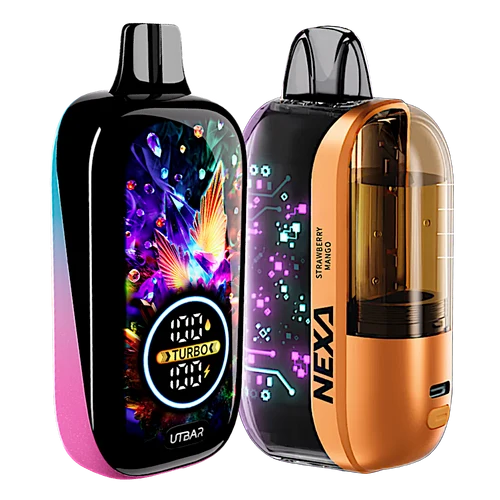
The shift toward e-commerce has transformed how adult consumers explore alternative nicotine products, leading to a significant increase in purchasing vapes online. While the digital marketplace offers unprecedented convenience and a wide variety of hardware and e-liquid flavors, navigating this landscape safely requires careful attention. Selecting products from digital storefronts demands more than just adding items to a cart; it requires a clear understanding of product specifications, battery safety standards, e-liquid compositions, and local legal frameworks.
Consumers exploring vapes online must be equipped with the knowledge needed to distinguish reputable vendors from unauthorized sellers, evaluate ingredient transparency, and verify compliance with regional shipping and age-verification laws. This comprehensive guide breaks down essential product information, key battery and handling precautions, legal requirements, and best practices for safe online purchasing.
Navigating Product Information When Shopping for Vapes Online
One of the greatest benefits of browsing vapes online is access to detailed technical parameters and product listings. However, raw data can be overwhelming without a proper understanding of key components. Evaluating device specifications and formulation details is critical to ensuring product compatibility and satisfaction.
Hardware Specifications and Device Categories
When searching for vapes online, consumers encounter several distinct categories of devices, each tailored to different usage patterns:
- Disposable Systems: Single-use or rechargeable pre-filled units designed for simplicity, requiring no coil replacement or manual refilling.
- Pod Systems: Compact, low-wattage devices utilizing replacement pods (pre-filled or refillable), ideal for nicotine salts and portability.
- Box Mods and Tank Kits: High-wattage, customizable devices featuring adjustable wattage, temperature control, and external battery configurations designed for direct-to-lung vaping.
Understanding device resistance (ohms), battery capacity (mAh), and power output (watts) ensures that accessories—such as replacement coils or pods—match the base device correctly.
Deciphering E-Liquid Ingredients and Formulations
E-liquid transparency is a primary benchmark of quality when sourcing vapes online. High-quality manufacturers disclose their full ingredient list on product descriptions and physical packaging. Standard e-liquid solutions consist of four main components:
- Propylene Glycol (PG): A thinner liquid that carries flavor effectively and provides a stronger throat hit.
- Vegetable Glycerin (VG): A thicker, sweeter liquid responsible for vapor production and smooth inhalation.
- Flavorings: Food-grade concentrated flavor formulations tailored for vapor production.
- Nicotine: Offered in freebase form (common in lower strengths for high-wattage devices) or nicotine salts (formulated with acids like benzoic acid for smoother higher-concentration delivery in low-wattage systems).
Reviewing the PG/VG ratio before buying vapes online prevents device leakage or coil burning caused by mismatched liquid thickness.
Battery and Thermal Safety Guidelines
Electronic vaporizers rely on lithium-ion batteries and integrated heating elements to vaporize liquid solutions. Because these components process electrical energy in compact forms, battery safety remains paramount when ordering vapes online.
Safe Charging Practices
Many modern devices feature internal lithium-ion batteries charged via USB-C or micro-USB ports. To minimize electrical risks:
- Use manufacturer-recommended charging cables and dedicated wall adapters that match specified power ratings.
- Avoid leaving charging devices unattended overnight or on flammable surfaces such as beds, couches, or carpets.
- Disconnect devices promptly once fully charged to protect cell battery longevity and prevent over-heating.
Handling External Lithium-Ion Cells
For advanced mod kits utilizing external batteries (such as 18650 or 21700 cells), proper handling is essential:
- Inspect Battery Wraps: Never use batteries with torn, cracked, or missing protective wraps. Exposed metal casings can cause short circuits.
- Use Dedicated External Chargers: Charge removable cells using standalone smart chargers rather than charging through the device mod whenever possible.
- Store Batteries Properly: Always transport spare batteries in protective plastic cases. Loose batteries stored in pockets alongside keys or coins risk metallic contact and rapid thermal discharge.
Regulatory Frameworks and Legal Requirements
The legal landscape governing the sale of vapes online has evolved significantly to enforce age restrictions, product quality standards, and consumer protection measures. Compliance varies by region, but key global frameworks share common objectives.
Mandatory Age Verification Policies
Legitimate vendors selling vapes online must restrict sales to legal adults. Modern online storefronts employ third-party digital age-verification systems during checkout. These services cross-reference buyer information against public databases or require real-time photo ID uploads to prevent underage access. Retailers operating without age-checking protocols operate outside established legal requirements.
International Standards and Certifications
When purchasing vapes online, verifying that hardware and e-liquids meet recognized regulatory benchmarks ensures manufacturing safety:
- EU Tobacco Products Directive (TPD): Mandates maximum nicotine strengths (typically 20 mg/mL), bottle volume limits for nicotine-containing liquids, leak-proof refilling standards, and child-resistant packaging.
- FDA PMTA Process (United States): Requires Premarket Tobacco Product Applications demonstrating that products are appropriate for the protection of public health.
- Electrical Safety Certifications: Quality hardware displays compliance marks such as CE, RoHS, or UL certification, indicating adherence to electrical and materials safety standards.
Identifying Trusted Online Retailers
Due to the expansion of digital commerce, counterfeit devices and unregulated e-liquids pose risks to unsuspecting consumers. Identifying authentic storefronts when acquiring vapes online protects both consumer health and payment security.
Verifying Authenticity and Retailer Credentials
Reputable online vendors implement several features to establish trust:
- Scratch-Off Verification Codes: Authentic hardware packaging includes security labels with scratch-off codes that can be verified directly on the manufacturer’s official website.
- Clear Business Information: Reliable sites list physical business addresses, customer service channels, and explicit privacy and return policies.
- Secure Checkout Protocols: Ensure the website URL begins with
https://and displays padlock indicators, demonstrating encrypted payment processing.
Red Flags to Avoid
Consumers searching for vapes online should exercise caution when encountering:
- Prices significantly below market average, which often indicate counterfeit products.
- Unlabeled or home-mixed e-liquids lacking batch numbers, expiration dates, or ingredient lists.
- Sites that bypass age verification or request payment via non-traceable, informal payment channels.
Responsible Ownership and Maintenance
Maximizing device longevity and maintaining safety extends beyond the initial purchase of vapes online. Continuous care and environmental responsibility are essential practices for all adult users.
Routine Device Care
Regular maintenance prevents device degradation and ensures consistent performance:
- Clean Connection Points: Wipe down threading and sensor contacts with cotton swabs to remove accumulated condensation or e-liquid residue.
- Replace Coils Timely: Replace coils or pods when flavor degrades or vapor output drops to prevent dry hits and burnt residue inhalation.
- Proper Storage: Store hardware and liquids in cool, dry environments away from direct sunlight, high heat, children, and pets.
Environmental Recycling and Disposal
Vaporizers and e-liquid containers require responsible disposal:
- Batteries and Disposables: Spent disposable devices and lithium batteries contain heavy metals and electronic components that should never be thrown into household trash. Utilize local electronic waste (e-waste) collection facilities or battery recycling programs.
- E-Liquid Containers: Rinse empty plastic or glass bottles before submitting them to residential plastic or glass recycling streams.
Conclusion
Purchasing vapes online offers modern consumers access to extensive product catalogs, competitive pricing, and technological innovations. However, navigating this market responsibly requires prioritizing product safety, legal compliance, and informed decision-making. By scrutinizing ingredient lists, verifying retailer legitimacy, adhering to battery safety guidelines, and understanding regulatory standards, buyers can ensure a safe and transparent experience. Knowledge and caution remain the most effective tools for selecting high-quality products in today’s digital marketplace.