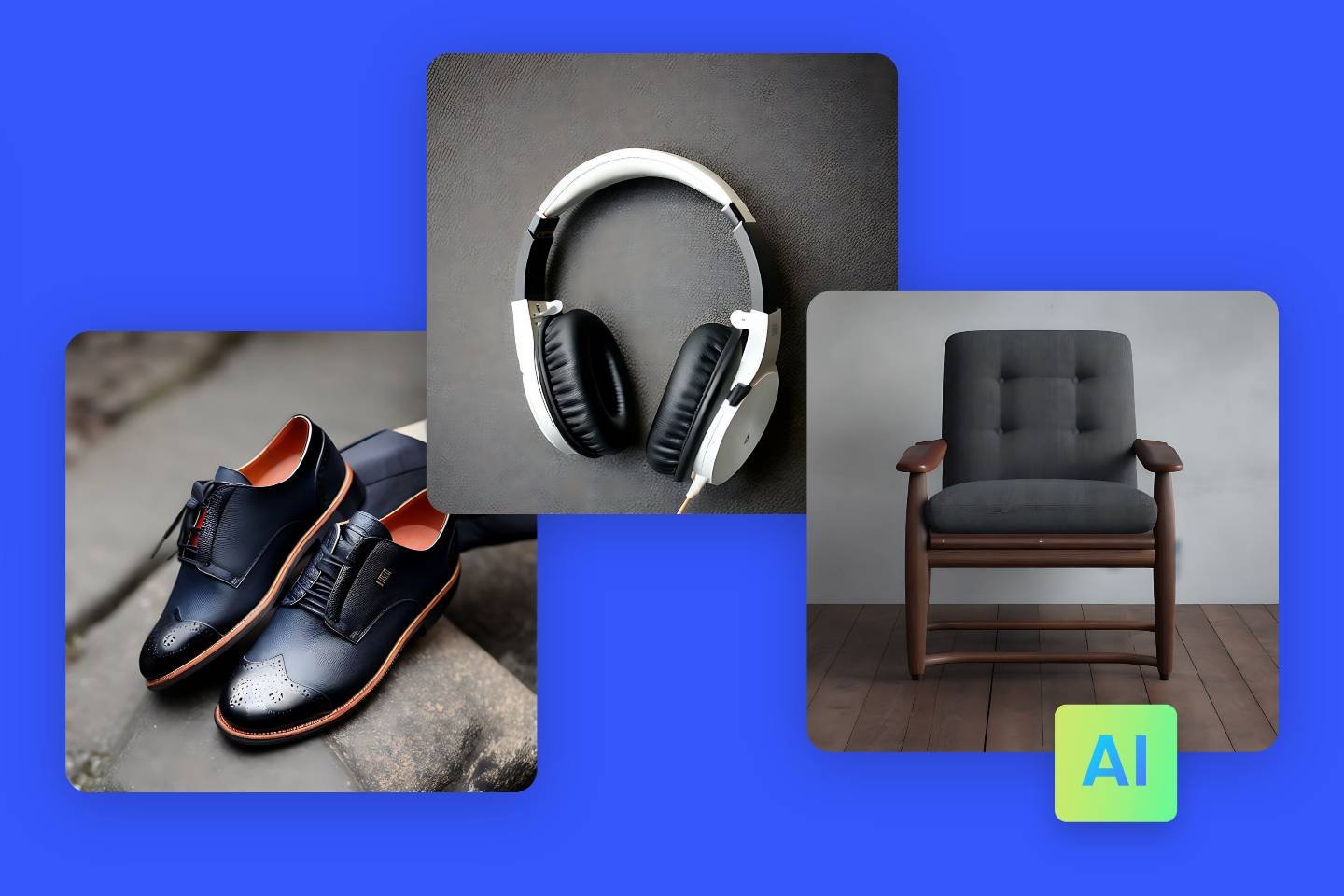
Product imagery plays a crucial role in influencing consumer purchasing decisions in today’s competitive eCommerce environment. High-quality visuals help businesses build trust, showcase product features, and increase conversion rates. However, traditional product photography can be expensive and time-consuming, especially for businesses with extensive product catalogs.
An ai product photo generator has emerged as a powerful solution for brands seeking professional-quality visuals without the costs associated with traditional photography. By leveraging artificial intelligence, businesses can create appealing product images quickly and efficiently. To maximize results, it is essential to follow best practices when using an ai product photo generator. This guide explores the most effective strategies for creating stunning product visuals that enhance brand appeal and drive sales.
Understand Your Brand Identity Before Creating Images
Before using an ai product photo generator, clearly define your brand identity. Every visual you produce should align with your brand’s personality, colors, tone, and target audience.
Consider the following elements:
- Brand color palette
- Preferred image style
- Target customer demographics
- Product positioning
- Overall marketing objectives
For example, a luxury skincare brand may prefer elegant, minimalist backgrounds with soft lighting, while a sports equipment brand may opt for dynamic action-oriented visuals. Maintaining consistency across all images strengthens brand recognition and creates a professional appearance.
Use High-Quality Source Images
Although an ai product photo generator can significantly enhance product images, the quality of the original input still matters. Starting with clear and high-resolution product photos allows the AI to generate more accurate and visually appealing results.
Tips for Better Source Images
- Capture products in good lighting.
- Use a neutral background whenever possible.
- Ensure the product is clean and free from defects.
- Photograph products from multiple angles.
- Avoid blurry or low-resolution images.
Better source material gives the AI more information to work with, resulting in superior final visuals.
Write Detailed and Accurate Prompts
Many AI-powered platforms rely on text prompts to generate backgrounds, scenes, and enhancements. The more descriptive your prompt, the better the outcome.
Instead of using vague instructions like:
“Create a nice background.”
Use detailed prompts such as:
“Place the product on a modern wooden table with natural daylight, soft shadows, and a minimalist kitchen setting.”
Include Key Details Such As:
- Environment
- Lighting conditions
- Mood
- Colors
- Camera angle
- Props
- Season or occasion
Detailed prompts help the ai product photo generator produce visuals that match your marketing goals.
Keep Product Accuracy a Top Priority
While AI can create visually impressive images, maintaining product accuracy is essential. Customers expect the actual product to match what they see online.
Avoid modifying:
- Product size
- Color variations
- Shape
- Texture
- Important features
Misleading visuals may lead to customer dissatisfaction, returns, and negative reviews. Always verify that AI-generated images accurately represent the real product.
Choose Backgrounds That Complement the Product
Background selection significantly influences the effectiveness of product visuals. A cluttered or distracting setting can reduce the product’s impact.
Best Background Practices
Lifestyle Backgrounds
Lifestyle scenes help customers visualize how products fit into everyday life. These images are particularly effective for home decor, fashion, beauty, and kitchen products.
Minimalist Backgrounds
Simple backgrounds emphasize the product itself and are ideal for marketplaces such as Amazon and Shopify.
Seasonal Backgrounds
Seasonal themes can support promotional campaigns during holidays and special events.
Choose backgrounds that enhance rather than overpower the product.
Optimize Lighting and Shadows
Lighting is one of the most important factors in professional product photography. An ai product photo generator often allows users to adjust lighting effects, reflections, and shadows.
Use lighting strategically to:
- Highlight product features
- Create depth
- Enhance texture
- Improve realism
Natural-looking shadows are particularly important because they make generated images appear authentic rather than artificial. Avoid overly dramatic lighting that may distract viewers.
Generate Multiple Variations
One of the biggest advantages of using an ai product photo generator is the ability to create multiple versions of the same image quickly.
Experiment with:
- Different backgrounds
- Camera angles
- Lighting styles
- Color schemes
- Lifestyle settings
Generating multiple variations allows marketers to test which images perform best across websites, advertisements, social media platforms, and email campaigns.
A/B testing different visuals can reveal valuable insights about customer preferences.
Maintain Consistency Across Product Catalogs
Consistency is essential for establishing a professional online store. When product images vary dramatically in style, customers may perceive the brand as unorganized.
Develop image guidelines that specify:
- Background style
- Lighting settings
- Image dimensions
- Color tone
- Product positioning
Using standardized settings within your ai product photo generator ensures that every image maintains a cohesive appearance across your catalog.
This consistency strengthens branding and improves the shopping experience.
Optimize Images for Different Platforms
Different platforms have different image requirements. An image that performs well on Instagram may not meet Amazon’s guidelines.
Consider Platform-Specific Requirements
eCommerce Marketplaces
Platforms like Amazon often require plain white backgrounds and strict image dimensions.
Social Media
Social media visuals can be more creative and lifestyle-focused.
Websites
Website product pages benefit from a combination of clean product shots and contextual lifestyle images.
Always resize and optimize generated images according to the specifications of each platform to ensure optimal performance.
Review and Edit AI Outputs Carefully
Artificial intelligence is powerful, but it is not perfect. Always review generated images before publishing them.
Look for:
- Distorted product shapes
- Unrealistic reflections
- Missing details
- Inconsistent shadows
- Strange textures
- Background anomalies
Minor imperfections can negatively impact customer trust. Use editing tools to make final adjustments and ensure professional-quality output.
Human oversight remains essential for achieving the best results.
Incorporate Lifestyle Imagery Strategically
Lifestyle images create emotional connections by demonstrating products in real-world scenarios. Customers often respond more positively when they can imagine themselves using the product.
Examples include:
- Furniture displayed in furnished rooms
- Apparel worn by models
- Kitchen tools shown during food preparation
- Beauty products featured in skincare routines
An ai product photo generator can efficiently create compelling lifestyle scenes that increase engagement and conversions.
However, balance lifestyle images with standard product photos so customers can clearly view product details.
Stay Updated with AI Advancements
AI technology continues to evolve rapidly. New features, tools, and capabilities are introduced regularly.
Stay informed about developments such as:
- Improved realism
- Advanced editing tools
- Automated branding features
- Video generation capabilities
- Enhanced background customization
Keeping up with innovations allows businesses to remain competitive and continuously improve their visual marketing strategies.
Conclusion
An ai product photo generator offers businesses an efficient and cost-effective way to create visually stunning product imagery. By following best practices such as using high-quality source images, writing detailed prompts, maintaining product accuracy, optimizing lighting, and ensuring consistency, brands can produce professional visuals that capture customer attention and drive sales.
As AI technology continues to advance, businesses that embrace these tools strategically will gain a significant advantage in the increasingly competitive world of eCommerce. Combining artificial intelligence with thoughtful creative direction ensures that every product image not only looks impressive but also accurately represents the brand and its products.