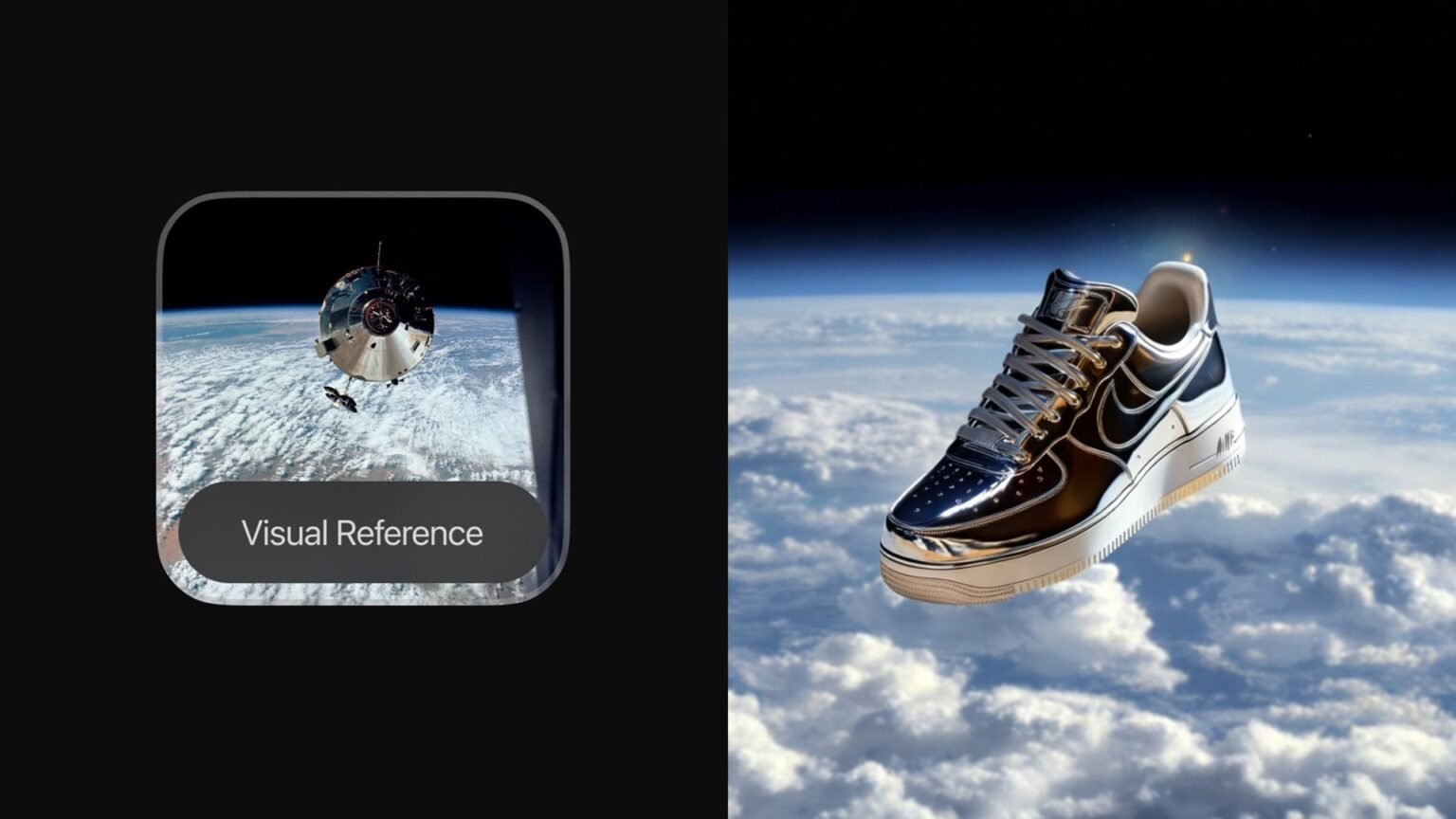
The world of filmmaking is changing rapidly as artificial intelligence becomes a powerful creative partner for filmmakers, designers, marketers, storytellers, and independent creators. Among the emerging technologies in this space, Luma dream machine has attracted attention for its ability to transform creative concepts into visually engaging video experiences. By combining natural-language prompts with AI-driven video generation, it opens new possibilities for developing cinematic ideas without requiring a traditional production environment.
The Rise of AI-Powered Cinematic Creation
Traditional filmmaking can require cameras, actors, locations, lighting equipment, editing software, and significant production budgets. While these tools remain important, artificial intelligence is introducing another approach to visual storytelling. Instead of beginning with physical production, creators can begin with an idea expressed through words.
Luma dream machine represents this shift toward prompt-based creativity. A creator can describe a scene, atmosphere, movement, or visual concept and use AI to help transform that description into a moving image. This process makes experimentation faster and can allow creators to explore ideas that might otherwise be difficult or expensive to produce.
AI video generation does not simply eliminate traditional production steps. Instead, it creates another layer between imagination and finished content. Creators can use generated footage for concept development, storyboarding, mood exploration, social media content, advertising concepts, and experimental filmmaking.
Turning Words Into Visual Concepts
One of the most interesting aspects of AI-powered video creation is the relationship between language and visual storytelling. A simple prompt can describe a location, subject, camera movement, lighting style, and emotional tone. The more thoughtfully a creator structures the concept, the more useful the resulting visual experiment can become.
For example, a filmmaker developing a science-fiction story might imagine a futuristic city surrounded by enormous structures, atmospheric fog, and dramatic nighttime lighting. Rather than immediately building a physical set or creating a complex digital environment, the creator can begin by exploring the idea through AI-generated video.
This approach encourages creative iteration. A first concept may reveal an unexpected visual direction. The creator can then adjust the description, change the environment, alter the mood, or experiment with movement. Each variation can contribute to the development of a stronger cinematic vision.
Exploring Camera Movement and Cinematic Motion
Motion is essential to cinematic storytelling. A static image can communicate a setting, but moving imagery can introduce emotion, rhythm, tension, and perspective. AI video systems can help creators experiment with different forms of cinematic movement.
A scene might begin with a slow camera movement across a landscape before transitioning toward a character. Another concept could involve a dynamic tracking shot through a crowded futuristic street. Creators can explore movement as part of the storytelling process rather than treating it as something that must be finalized during physical production.
Luma dream machine can therefore serve as an experimentation environment for thinking about how scenes might move. These experiments can help creators visualize sequences before committing to a larger production.
Creating Atmosphere Through AI
Cinematic storytelling is not only about subjects and actions. Atmosphere plays an equally important role. Lighting, weather, color relationships, environments, and visual texture can influence how an audience interprets a scene.
AI-powered video generation gives creators an opportunity to experiment with these elements quickly. A peaceful forest can be imagined during sunrise, while the same environment can be transformed into a mysterious setting during a storm. A modern city can appear energetic and vibrant during the day or dramatic and suspenseful at night.
Such experimentation can help creators understand which visual direction best supports their story. Instead of relying entirely on imagination or static reference images, they can explore moving visual concepts.
Supporting Independent Filmmakers
Independent filmmakers often face limitations related to budget, equipment, locations, and production resources. AI-powered tools can provide additional opportunities for visual experimentation without requiring every idea to become a full-scale production.
A filmmaker developing a short film could use AI-generated scenes to explore possible compositions and transitions. These visual experiments might help communicate a creative vision to collaborators, designers, editors, or investors.
The technology can also support pre-production. Directors can explore different approaches to a scene before filming, potentially identifying visual ideas that are worth developing further. This does not replace creative direction. Instead, it gives creators another way to communicate and refine their intentions.
Imagining New Worlds
One of the strongest applications of AI-generated video is world-building. Fantasy, science fiction, historical concepts, and surreal storytelling often require environments that are difficult to create physically.
With Luma dream machine, creators can experiment with imaginary landscapes, futuristic architecture, unusual creatures, atmospheric environments, and dreamlike scenarios. These experiments can help transform abstract ideas into visual references.
For writers, this can make story development more visual. For designers, it can provide inspiration for environments and characters. For filmmakers, it can help establish the visual identity of a project before conventional production begins.
AI as a Creative Partner
The most productive way to think about AI video generation is not necessarily as a replacement for human creativity. Instead, it can function as a creative partner that helps creators test possibilities.
Human creators still provide the story, intention, taste, context, and artistic judgment. AI can generate variations that encourage new thinking. Sometimes an unexpected result can become more interesting than the original concept.
This relationship creates a feedback loop. A creator develops an idea, generates a visual experiment, evaluates the result, modifies the concept, and tries again. Over time, this process can turn a rough idea into a more defined cinematic direction.
Developing Advertising and Marketing Concepts
AI-generated video can also influence commercial storytelling. Advertising teams frequently need to present products through memorable visual narratives. Creating multiple video concepts traditionally requires significant planning and production resources.
AI can make early-stage experimentation more accessible. Marketing teams can explore different environments, moods, storytelling approaches, and visual themes before deciding which direction deserves further investment.
A product could be imagined in a futuristic environment, an elegant lifestyle setting, or an energetic urban scene. These experiments can help teams discuss creative direction more effectively and identify concepts that resonate with a campaign’s objectives.
The Importance of Creative Direction
Although AI can generate impressive visual results, effective cinematic storytelling still depends on creative direction. A visually attractive clip does not automatically create a compelling story.
Creators need to think about narrative purpose, composition, pacing, character motivation, continuity, and emotional impact. Prompt writing also becomes an important creative skill because descriptions influence how an idea is interpreted by an AI system.
Successful users will likely combine technological experimentation with traditional storytelling principles. Understanding film language, visual composition, and narrative structure can make AI-generated content more purposeful.
The Future of Cinematic Ideas
The development of AI video technology suggests that cinematic experimentation will become increasingly accessible. As tools improve, creators may gain greater control over characters, environments, camera movement, continuity, and visual consistency.
Luma dream machine illustrates an important stage in this evolution by connecting language-based ideas with moving visual experiences. The technology encourages people to think about filmmaking differently, particularly during the early stages of ideation.
The future may involve hybrid workflows in which human filmmakers combine traditional cameras, computer graphics, editing tools, and AI-generated material. Rather than replacing established filmmaking techniques, AI can become another instrument in the creative toolkit.
Conclusion
AI-powered cinematic creation is opening new pathways for visual storytelling. From developing futuristic worlds and experimenting with camera movement to creating atmospheric concepts and testing advertising ideas, tools such as Luma dream machine provide creators with new ways to explore their imagination.
The greatest opportunity may not simply be generating finished videos. It may be the ability to experiment quickly, visualize abstract concepts, discover unexpected creative directions, and refine ideas before entering traditional production. As AI video technology continues to evolve, the relationship between imagination, language, and cinematic expression is likely to become even more dynamic, giving creators new opportunities to transform ambitious ideas into compelling visual experiences.