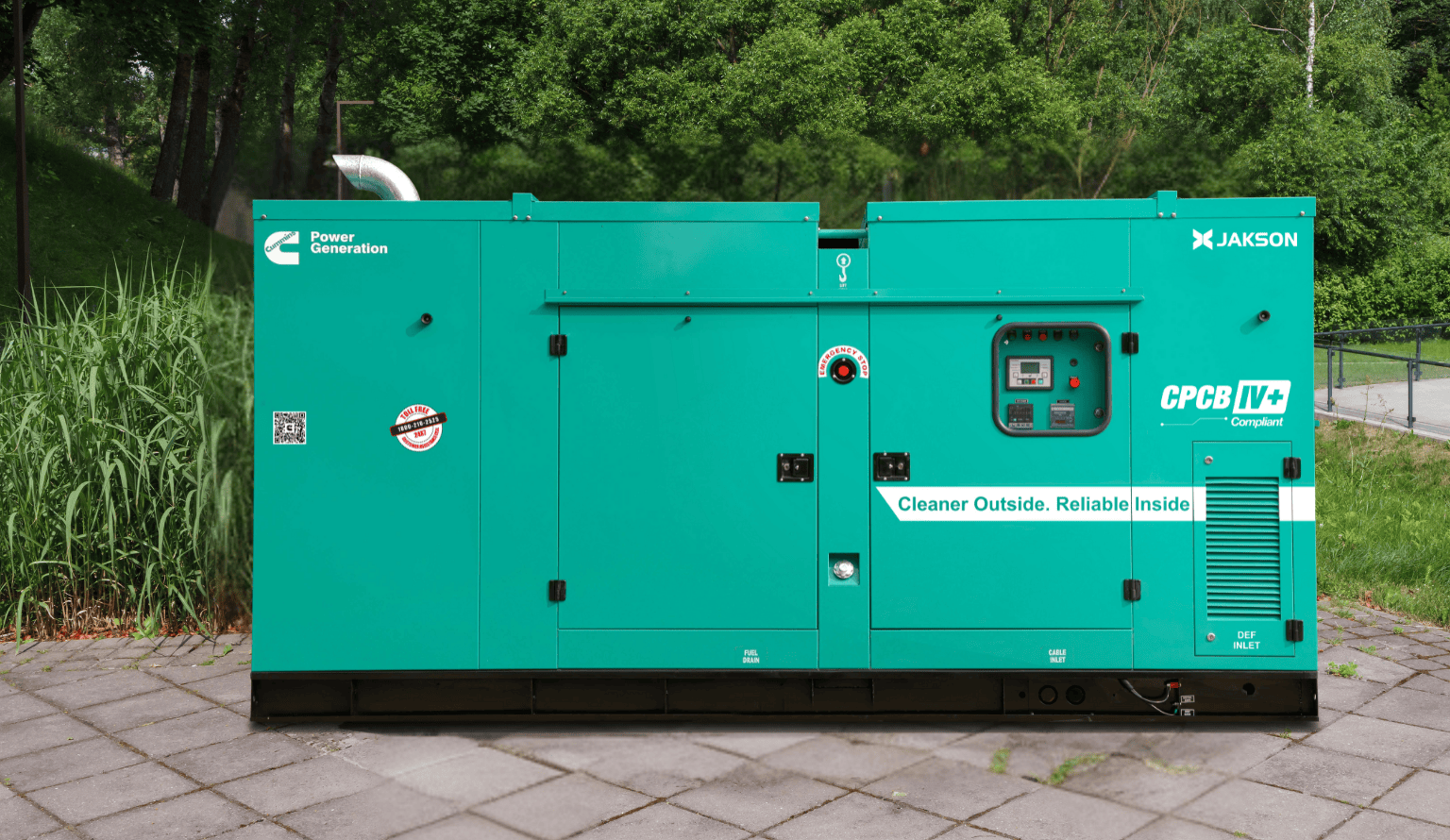
Reliable power is the backbone of any successful commercial operation or construction project. Whether you are running a bustling manufacturing facility, managing a multi-story commercial real estate development, or operating heavy machinery on a remote construction site, unexpected grid failures can result in massive financial losses, project delays, and safety hazards. To mitigate these risks, investing in a high-quality diesel generator is essential. However, choosing the right unit involves much more than simply picking a model off the shelf. It requires a strategic evaluation of power loads, site conditions, regulatory standards, and operational features.
Understanding Commercial and Construction Power Demands
Before browsing specifications or contacting suppliers, you must thoroughly understand your operational power requirements. Commercial buildings and construction sites have vastly different load profiles compared to residential settings. Construction sites often feature heavy inductive loads, such as electric motors, air compressors, and welding equipment, which require a significant surge of power to start up. Commercial facilities, on the other hand, might need steady baseline power for HVAC systems, servers, lighting, and security infrastructure.
Continuous vs. Prime vs. Standby Power
When selecting a diesel generator, you need to understand the different power ratings manufacturers use. Standby power is designed for emergency backup use when the primary utility grid fails. It is rated for the duration of an outage and usually runs for limited hours. Prime power is intended for applications where the generator serves as the primary power source, such as on off-grid construction sites, and it can run for unlimited hours with variable loads. Continuous power is used for constant, uninterrupted loads without fluctuations. For construction sites, a prime power rating is typically required, while commercial facilities often opt for standby or prime configurations depending on their grid reliability.
Calculating Total Load Requirements
To determine the correct capacity for your diesel generator, you must calculate the total wattage of all equipment that will run simultaneously. Make a comprehensive list of every device, tool, and system. Remember to factor in starting wattage (surge power) for motor-driven equipment, which can be two to three times higher than the running wattage. It is generally recommended to select a unit with a capacity that exceeds your peak load calculation by 20 to 25 percent. This buffer prevents the engine from running at maximum capacity constantly, which reduces wear and tear and accommodates future equipment additions.
Key Features to Look For in a Commercial Diesel Generator
Once you have determined your power sizing needs, you must evaluate the specific mechanical and technological features that ensure long-term reliability and efficiency.
Fuel Efficiency and Engine Quality
The engine is the heart of any diesel generator. Reputable brands known for heavy-duty commercial applications offer superior fuel economy, longer maintenance intervals, and robust performance under extreme stress. Fuel efficiency is a critical cost factor, especially for construction sites where the unit may run continuously for weeks or months. Look for engines equipped with advanced electronic fuel injection systems, which optimize fuel delivery and reduce emissions while maximizing power output.
Durability and Enclosure Types
Commercial and construction environments are notoriously harsh. Your diesel generator must be built to withstand dust, debris, moisture, and extreme temperatures. Sound-attenuated enclosures are essential for urban commercial settings or noise-sensitive construction zones, as they significantly reduce decibel levels. Furthermore, weather-resistant or weatherproof canopies protect internal components from rain, snow, and direct sunlight, ensuring uninterrupted operation in all weather conditions.
Control Panels and Automation
Modern diesel generators come equipped with sophisticated digital control panels that monitor vital parameters such as oil pressure, coolant temperature, fuel levels, voltage, and frequency. For commercial applications, an Automatic Transfer Switch (ATS) is indispensable. The ATS detects grid failure, automatically signals the generator to start, and transfers the electrical load within seconds. This seamless transition prevents data loss, protects sensitive electronics, and keeps critical commercial operations running without manual intervention.
Sizing and Portability for Construction Sites
Construction sites are dynamic environments where power sources often need to be relocated as building phases progress. Therefore, portability and physical configuration play a major role in your selection process.
Skid-Mounted vs. Trailer-Mounted Units
If your construction project requires frequent relocation of the power source, a mobile solution is necessary. Trailer-mounted diesel generators are designed for easy towing behind heavy-duty trucks, allowing for rapid deployment across different zones of a large job site. Conversely, skid-mounted units are ideal for semi-permanent installations where the generator will remain in one centralized location for the duration of the project, providing a stable and secure footprint.
Handling Harsh Environments and Dust
Construction sites generate high levels of airborne dust, dirt, and particulate matter. A heavy-duty industrial diesel generator requires robust air filtration systems with heavy-duty air cleaners to prevent contaminants from entering the engine combustion chambers. Additionally, look for corrosion-resistant coatings on the chassis and enclosure to prevent rust caused by humidity, mud, and chemical exposure on the job site.
Maintenance, Compliance, and Cost Considerations
Purchasing a commercial diesel generator is a substantial capital investment, and long-term operating costs depend heavily on maintenance requirements and regulatory compliance.
Emissions Regulations and Tier Ratings
Environmental regulations govern the operation of internal combustion engines, particularly in urban commercial areas and regulated construction zones. Manufacturers build engines to comply with specific regional emission standards, such as EPA Tier ratings in the United States or equivalent international standards. Selecting a diesel generator that meets current tier requirements ensures legal compliance, avoids costly fines, and often translates to cleaner, more efficient fuel combustion.
Long-Term Maintenance and Support
Even the most rugged diesel generator requires routine maintenance, including oil changes, filter replacements, coolant checks, and load bank testing. When choosing a brand or supplier, consider the availability of spare parts and local technical support. Opting for a reputable manufacturer with a strong service network guarantees that if a component fails, replacement parts and expert technicians will be readily available to minimize downtime.
Selecting the ideal diesel generator for commercial and construction needs requires a careful balance of power capacity, environmental durability, fuel efficiency, and safety features. By accurately assessing your load requirements, prioritizing robust engine construction, and factoring in portability and regulatory compliance, you can secure a reliable power solution that protects your investments, drives productivity, and keeps your operations running smoothly through any challenge.