
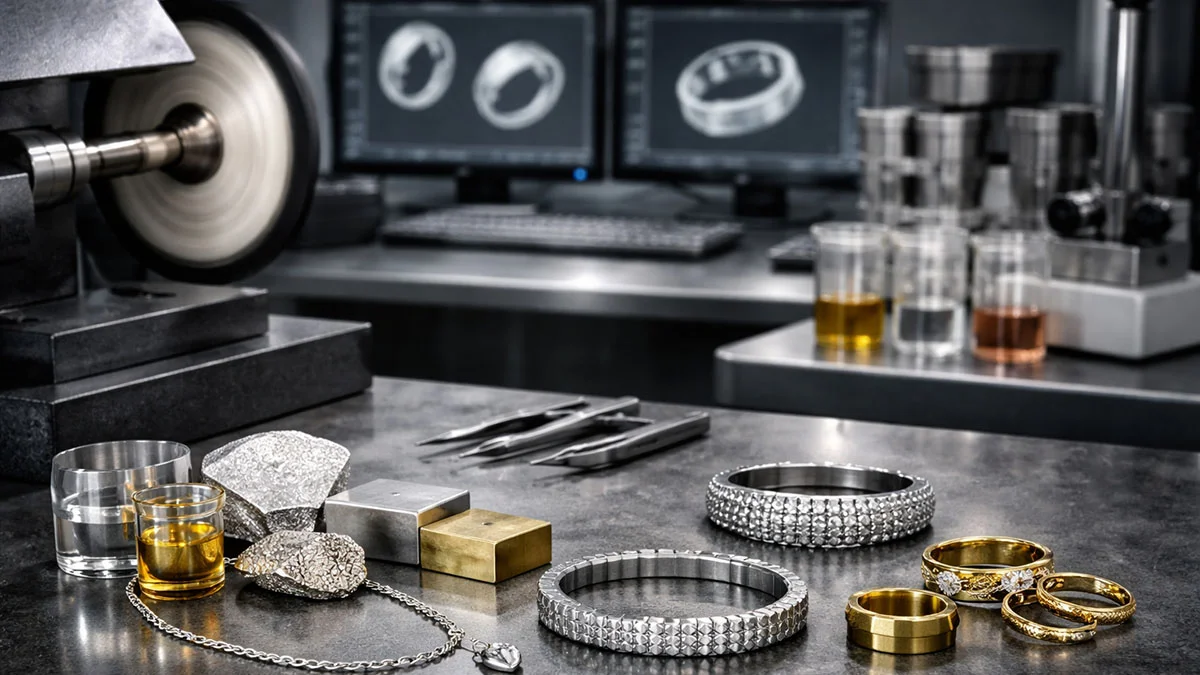
Jewelry brands succeed by offering products that combine attractive designs, dependable quality, and lasting value. Behind every successful collection is a well-organized production process that transforms creative concepts into finished pieces customers enjoy wearing. Reliable jewelry manufacturing for brands plays an essential role in achieving this goal by connecting design, material selection, skilled craftsmanship, and quality control. Whether a business is launching its first collection or expanding an established product line, choosing the right manufacturing partner can make a significant difference in its growth and reputation.
A professional manufacturing process allows brands to maintain consistent standards while developing products that reflect their unique identity. From everyday accessories to premium statement pieces, every item requires careful planning and attention to detail.
Understanding the Importance of Reliable Jewelry Manufacturing
Manufacturing is more than simply producing jewelry according to a design. It involves coordinating several stages to ensure that each product meets the brand’s expectations. These stages include concept development, technical design, material sourcing, sample creation, production, finishing, and inspection.
For growing businesses, working with an experienced manufacturer can reduce production challenges and improve operational efficiency. A dependable partner understands the importance of deadlines, consistent workmanship, and clear communication. This allows brand owners to focus on marketing, customer relationships, and future product development.
Reliable production is particularly important when collections include multiple designs, sizes, finishes, or materials. Consistency across these variations helps create a professional appearance and strengthens customer confidence.
Turning Creative Ideas Into Market-Ready Collections
Every jewelry collection begins with an idea. Designers may draw inspiration from fashion trends, architecture, nature, cultural influences, or personal creativity. However, transforming an initial concept into a practical product requires technical knowledge and manufacturing expertise.
Design Development and Technical Planning
The first step involves reviewing sketches, digital designs, reference images, and product specifications. Manufacturers evaluate whether a design can be produced effectively using the selected materials and techniques. They may also recommend adjustments to improve durability, comfort, appearance, or production efficiency.
Accurate technical drawings and measurements help prevent misunderstandings during manufacturing. Details such as dimensions, stone placement, metal thickness, clasp styles, and surface finishes should be clearly defined before production begins.
Sampling and Prototyping
Samples allow brands to evaluate a design before committing to a larger order. A prototype provides an opportunity to examine the product’s proportions, weight, finishing, and overall appearance. It also helps identify possible design improvements.
Brands should carefully review samples and provide clear feedback. Making adjustments during this stage is generally more practical than correcting problems after mass production has started.
Selecting Materials for Premium Jewelry Products
Material selection has a direct influence on a jewelry product’s appearance, durability, and perceived value. Different customer groups also have different preferences regarding metals, gemstones, finishes, and other components.
Common materials include sterling silver, stainless steel, brass, gold, and various precious or semi-precious stones. Some collections may also incorporate pearls, enamel, crystals, or alternative decorative elements.
Balancing Quality and Cost
Brands must select materials that match their target market and product positioning. Premium collections may require precious metals and carefully selected gemstones, while accessible fashion jewelry may use alternative materials that support competitive pricing.
The goal is to achieve an appropriate balance between product quality and production costs. Manufacturers can help businesses understand material options, potential limitations, and the expected impact on the final product.
Considering Durability and Customer Comfort
Jewelry should look attractive while remaining comfortable and suitable for its intended use. Earrings need appropriate weight and secure fastenings, bracelets should have reliable closures, and necklaces require suitable chain strength.
Finishing also matters. Smooth edges, secure stone settings, and consistent surface treatments contribute to a better customer experience. Brands should discuss these requirements with their manufacturing partners before production begins.
Maintaining Consistent Quality Across Every Order
Quality control is one of the most important parts of jewelry manufacturing for brands. Customers expect products to match the photographs, descriptions, and quality standards presented by a business. Inconsistent products can lead to complaints, returns, and damage to brand reputation.
A structured inspection process helps reduce these risks. Manufacturers may check dimensions, material specifications, surface appearance, stone settings, connections, clasps, and other functional details.
Establishing Clear Quality Standards
Before manufacturing begins, brands should communicate their quality expectations. These may include acceptable measurements, color consistency, polish levels, gemstone placement, and packaging requirements.
Written specifications and approved samples provide useful reference points for production teams. They also make it easier to identify differences between the agreed design and finished products.
Inspecting Products Before Delivery
Quality inspections should take place at appropriate stages of production rather than relying exclusively on a final review. Early checks can identify material or workmanship issues before they affect an entire order.
Finished products should also receive a final inspection to confirm that they meet the agreed specifications. Depending on the product and its materials, brands may request relevant documentation or testing to support quality and safety claims.
Customization and Private Label Manufacturing
Distinctive products help jewelry brands establish a recognizable market position. Custom manufacturing gives businesses opportunities to develop collections that reflect their creative direction rather than relying entirely on standard designs.
Manufacturers may support customization through exclusive shapes, customized dimensions, selected materials, gemstone arrangements, surface treatments, and branded details. These options allow businesses to create products that appeal to specific customer preferences.
Private label manufacturing can also help brands present their collections under their own business identity. This may include branded product markings, customized boxes, jewelry cards, pouches, and other packaging elements.
Successful customization requires detailed communication. Brands should discuss design ownership, approved samples, minimum order quantities, production costs, and delivery expectations before confirming an agreement.
Choosing the Right Manufacturing Partner
Selecting a manufacturing partner is an important business decision. The right supplier should have the technical capabilities, production capacity, and quality standards needed to support the brand’s objectives.
Evaluate Experience and Production Capabilities
Brands should review a manufacturer’s previous work, product categories, available processes, and experience with similar designs. A supplier with relevant expertise may be better prepared to understand complex requirements and recommend practical solutions.
It is also useful to ask about equipment, production facilities, workforce capabilities, and the ability to handle different order volumes.
Prioritize Communication and Transparency
Clear communication helps prevent misunderstandings throughout the production process. Manufacturers should provide understandable information about pricing, timelines, material availability, sampling, and possible production limitations.
Brands should also establish how updates, design revisions, and unexpected delays will be handled. Transparent communication creates a stronger working relationship and supports better planning.
Compare Pricing With Overall Value
The lowest quotation does not always represent the best business decision. Material quality, workmanship, production reliability, inspection procedures, and delivery performance should also influence the selection process.
A slightly higher production cost may provide better long-term value when it results in fewer defects, more consistent products, and dependable fulfillment.
Managing Production Timelines and Inventory
Efficient production planning helps jewelry brands respond to customer demand without creating unnecessary inventory pressure. Manufacturing timelines should account for material sourcing, sampling, design approvals, production, inspection, and shipping.
Brands should coordinate launch dates with their manufacturing schedules. Allowing sufficient time for sampling and revisions can reduce the risk of delayed product releases.
Order quantities should also reflect realistic sales expectations. New businesses may prefer smaller initial orders to test customer interest, while established brands may require larger production runs to meet demand. Discussing minimum order quantities and restocking arrangements in advance can help businesses build a manageable inventory strategy.
Supporting Brand Growth Through Long-Term Partnerships
A successful manufacturing relationship can develop beyond individual orders. As a brand expands, it may introduce new product categories, explore different materials, or enter additional markets. A reliable production partner can help manage these changes through technical guidance and consistent manufacturing support.
Long-term collaboration also creates opportunities to improve processes. Manufacturers become more familiar with a brand’s designs, quality expectations, and communication preferences. This understanding can make future product development more efficient.
Conclusion
Building a premium jewelry collection requires creativity, planning, technical expertise, and dependable production. Professional jewelry manufacturing for brands brings these elements together, helping businesses turn original concepts into attractive and consistent products. By selecting appropriate materials, developing accurate samples, maintaining quality standards, and choosing a trustworthy manufacturing partner, jewelry brands can create collections that support customer satisfaction and long-term growth.
A strong production strategy does more than deliver finished jewelry. It helps establish brand identity, improve operational efficiency, and create a foundation for future innovation. With careful planning and a reliable manufacturing relationship, businesses can develop collections that stand out in a competitive jewelry market.