Introduction
Suzhou Embroidery is one of the most celebrated forms of traditional Chinese needlework. Known for its delicate stitches, detailed patterns, elegant colors, and remarkable craftsmanship, this ancient art has Suzhou Embroidery been admired in China and around the world for centuries. Originating in Suzhou, a historic city in Jiangsu Province, Suzhou Embroidery reflects the patience, creativity, and artistic skill of generations of embroidery masters.
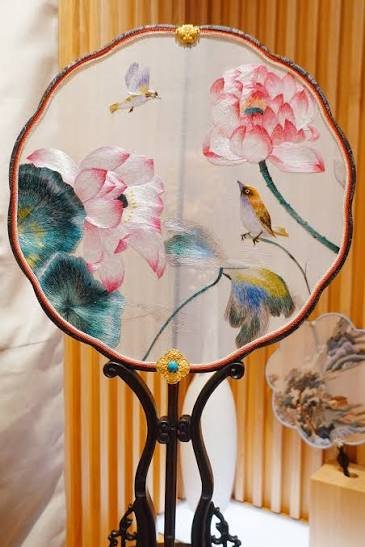
Unlike ordinary decorative stitching, this traditional craft combines textile techniques with painting-like artistic expression. Embroiderers use fine silk threads to create flowers, birds, landscapes, animals, figures, and other intricate designs. The finished works can appear almost three-dimensional, showing how carefully selected colors and stitches can transform a simple piece of fabric into an extraordinary work of art.
The History of Suzhou Embroidery
The history of Suzhou Embroidery can be traced back more than two thousand years. Suzhou and the surrounding Jiangnan region developed into an important center for silk production and textile arts. The availability of high-quality silk provided local artisans with an excellent material for developing sophisticated embroidery techniques.
Over many centuries, embroidery became an important part of Chinese culture and everyday life. It was used for clothing, decorative items, household furnishings, ceremonial objects, and artistic displays. During different historical periods, embroidery techniques became increasingly refined, and Suzhou developed a strong reputation for exceptional craftsmanship.
During the Ming and Qing dynasties, Suzhou embroidery reached new levels of artistic development. Skilled artisans began creating works that closely resembled traditional Chinese paintings. They carefully reproduced landscapes, flowers, birds, animals, and famous artistic compositions using hundreds or even thousands of tiny stitches.
What Makes Suzhou Embroidery Unique?
One of the most impressive qualities of Suzhou Embroidery is its incredible attention to detail. A skilled embroiderer can use extremely fine silk threads to create subtle changes in color, texture, light, and shadow.
Traditional embroidery often uses a variety of stitching techniques. Different stitches can produce different visual effects, allowing artisans to create smooth surfaces, fine outlines, soft textures, and detailed patterns. The choice of thread thickness and color also plays an important role in creating realistic images.
Another distinctive feature is the use of silk. Silk thread has a natural shine that reflects light beautifully. When combined with precise stitching, it can give embroidered flowers, feathers, fur, and landscapes a sense of movement and depth.
Common Themes and Designs
Nature is one of the most popular sources of inspiration for Suzhou Embroidery. Flowers such as lotus, peony, orchid, and plum blossom frequently appear in traditional designs. Birds, butterflies, fish, and other animals are also common subjects.
Landscape scenes are particularly impressive because they require the embroiderer to create different levels of depth and atmosphere. Mountains, rivers, trees, clouds, and distant buildings may be represented using subtle changes in color and stitch direction.
Traditional Chinese cultural symbols are also frequently incorporated into embroidery designs. Dragons, phoenixes, cranes, and other symbolic creatures can represent qualities such as strength, prosperity, longevity, and good fortune.
The Craftsmanship Behind Each Piece
Creating a detailed embroidery piece requires considerable patience and concentration. The process usually begins with selecting a suitable fabric, planning the design, and choosing an appropriate range of silk thread colors.
The embroiderer then works carefully across the fabric, placing stitches according to the planned composition. Fine details may require extremely small stitches. Depending on the size and complexity of the design, a single piece can take a long time to complete.
Experienced artisans must understand color relationships, composition, thread handling, and traditional stitching methods. They also need excellent hand control because even a small mistake can affect the appearance of an intricate design.
This combination of artistic knowledge and technical skill is what makes handmade embroidery so valuable.
Double-Sided Embroidery
One of the most fascinating developments associated with Suzhou Embroidery is double-sided embroidery. In this technique, an image is created so that both sides of the fabric display a carefully finished design.
Double-sided embroidery requires exceptional precision. Loose threads, knots, or unnecessary marks must be carefully managed so that the reverse side remains as attractive as the front. Some advanced works may even feature different images on opposite sides of the same fabric.
This technique demonstrates the extraordinary level of skill that traditional embroidery can achieve.
Suzhou Embroidery in Modern Times
Although Suzhou Embroidery has ancient roots, it continues to evolve today. Modern artists and artisans are experimenting with new designs, subjects, materials, and applications while preserving traditional techniques.
Contemporary embroidery may include modern landscapes, portraits, animals, abstract patterns, and artistic interpretations of traditional themes. Embroidery can also be found in decorative wall art, clothing, accessories, home décor, and cultural collections.
Museums, cultural organizations, workshops, and individual artisans all contribute to keeping this traditional craft alive. Educational programs also help younger generations learn the techniques and appreciate the cultural importance of embroidery.
How to Appreciate Authentic Embroidery
When viewing a piece of Suzhou Embroidery, it is useful to look beyond the overall image. Pay attention to the fineness and consistency of the stitches, the transitions between colors, and the way the threads create texture.
The back of the embroidery can also provide valuable information about craftsmanship, particularly for highly detailed or double-sided pieces. Handmade works may show subtle characteristics that distinguish them from mass-produced decorative products.
Buyers interested in collecting embroidery should also consider the reputation of the artisan, the quality of the materials, the complexity of the design, and the history or cultural significance of the work.
Why Suzhou Embroidery Still Matters
Suzhou Embroidery is more than a decorative craft. It represents a connection between traditional Chinese art, textile production, and cultural heritage. Each carefully stitched image demonstrates the dedication of artisans who have preserved techniques passed down through generations.
In a world increasingly dominated by mass production, handmade embroidery offers something special: time, patience, individuality, and human creativity. Every stitch contributes to a larger artistic composition, making each carefully crafted piece a reflection of both tradition and personal skill.
Conclusion
Suzhou Embroidery is a remarkable example of how traditional craftsmanship can become a sophisticated form of visual art. From its ancient origins in the silk-producing region of Suzhou to its continued development in modern workshops and artistic communities, this needlework tradition has maintained its cultural importance.
Its delicate silk threads, detailed stitches, beautiful colors, and meaningful designs make it a unique part of Chinese artistic heritage. Whether displayed in a museum, used as home décor, or preserved as a treasured cultural object, Suzhou Embroidery continues to demonstrate the beauty that can emerge when patience, creativity, and craftsmanship come together.